
There is a precise moment, roughly twenty to thirty minutes after you swallow a capsule of psilocybin, when something shifts. Not the dramatic transformation you might expect from a psychedelic — more like a subtle brightening at the periphery of perception, a slight loosening of the felt solidity of the world. You might not even be sure it's real yet. But it is real, and it is biochemically exact: the molecule that was psilocybin has become psilocin, crossed from your bloodstream into your brain, and begun to bind 5-HT2A receptors in the deepest layer of your prefrontal cortex.
This is not a metaphor. The journey of psilocybin through the human body — from ingestion to peak experience, from molecular inertness to neurological transformation — is one of the most precisely characterized pharmacokinetic stories in psychopharmacology. Felix Hasler and Franz Vollenweider published the foundational study in 2002, tracking plasma concentrations in human volunteers following 15mg and 30mg doses. Their data gave us exact numbers: Tmax around 90 minutes, bioavailability around 52%, half-life around 163 minutes, maximum plasma concentrations correlating with peak subjective intensity. Since then, a growing body of research has filled in the molecular details: which enzymes perform the conversion, how psilocin moves across biological membranes, why the same dose produces such different experiences in different people.
Most people who use psilocybin — whether therapeutically, ceremonially, or recreationally — have no idea what is happening in their body during the two hours between swallowing and peak. Understanding it doesn't diminish the experience. It does something better: it gives you a map of your own biochemistry, a way to understand why your experience unfolds the way it does, why timing matters, why set and setting are more than platitude, and why the same gram of dried mushroom can send two people to entirely different places.
The Phosphate Problem: Why Psilocybin Itself Is Inert
Psilocybin — the compound that gives magic mushrooms their pharmacological activity — is, by itself, pharmacologically inert. This is not a caveat or a nuance. It is a hard biochemical fact that defines everything downstream: psilocybin cannot bind to any serotonin receptor. It cannot cross the blood-brain barrier. If you were to inject pure psilocybin directly into brain tissue, nothing would happen. The molecule requires a conversion before it can do anything at all.
The reason is the phosphate group. Psilocybin's chemical structure is built on a tryptamine backbone — the same scaffold as serotonin, DMT, and melatonin. The 4-position of its indole ring carries a phosphoryloxy group (-OPO₃H₂), which was added by the mushroom's own biosynthetic enzymes as a storage strategy: phosphorylation makes the molecule stable, water-soluble, and resistant to the enzymatic degradation that would otherwise break down an unprotected 4-hydroxy tryptamine. The mushroom, in effect, caps its own bioactive compound with a protective group until it reaches the right biochemical environment to remove it.
That protective group is a pharmacological liability in the human body. The phosphate renders psilocybin highly polar — it carries a formal charge at physiological pH. Charged molecules cannot pass through lipid bilayers by diffusion, which is the primary mechanism by which small molecules cross biological membranes including the blood-brain barrier. And the phosphate group sterically prevents psilocybin from fitting into the hydrophobic binding pockets of 5-HT2A receptors, which evolved to accept the nonpolar tryptamine core of serotonin and related compounds.
Psilocybin (4-PO-DMT)
Psilocybin is the compound synthesized by Psilocybe mushrooms and stored in fruiting bodies and mycelium. Its molecular formula is C₁₂H₁₇N₂O₄P (MW: 284.25 Da). The 4-phosphoryloxy group makes it highly water-soluble and stable — ideal for the mushroom — but pharmacologically silent in the human body. It requires enzymatic dephosphorylation to become psilocin, the active molecule. Interestingly, psilocybin was synthesized and isolated by Albert Hofmann at Sandoz in 1958, and it was Hofmann himself who first demonstrated that psilocin was its active metabolite by comparing the dose-effect curves of both compounds.
Albert Hofmann — the chemist who discovered LSD and later isolated psilocybin from Psilocybe mexicana — recognized this prodrug relationship early. When Hofmann synthesized psilocin separately and administered it to volunteers at Sandoz, he found that psilocin produced identical effects to psilocybin but at a proportionally lower dose — consistent with the ~52% oral bioavailability of psilocybin and the direct absorption of psilocin. The active compound, Hofmann established, was always psilocin. Psilocybin was merely its pharmacologically convenient precursor.
This prodrug mechanism is not unusual in pharmacology — many drugs are administered as inactive precursors that the body converts to their active form. Codeine is converted to morphine by CYP2D6. Enalapril is converted to enalaprilat by esterases. Levodopa is converted to dopamine by aromatic amino acid decarboxylase. What makes psilocybin interesting among prodrugs is that the conversion enzyme — alkaline phosphatase — is not a specialized metabolic system but a ubiquitous enzyme present throughout the gut, liver, and many other tissues. It was not selected for by evolution to process psilocybin; the mushroom found a way to exploit an enzyme the body uses for dozens of other purposes.
Ingestion, Dissolution, and Gastric Transit
The pharmacokinetic journey begins in the stomach. Whether psilocybin is consumed as dried mushrooms, capsules of powdered extract, or pharmaceutical-grade crystalline psilocybin, the first task the body faces is dissolution — breaking the compound down from its solid form into solution so that it can be absorbed across the intestinal mucosa.
Crystalline psilocybin dissolves readily in the aqueous environment of the stomach: it is highly water-soluble (>500 mg/mL), and gastric acid does not degrade it. The rate-limiting step is stomach emptying — the movement of dissolved psilocybin from the stomach into the small intestine, where absorption primarily occurs. Gastric emptying time varies substantially between individuals and is dramatically affected by food. A full meal before psilocybin ingestion delays gastric emptying, slowing the movement of dissolved psilocybin into the absorptive surface of the duodenum and jejunum. This is the biochemical basis of the clinical recommendation to fast for four to six hours before a psilocybin session: an empty stomach allows rapid gastric emptying and therefore faster, more predictable onset.
Why fasting matters pharmacokinetically: In fed-state conditions, gastric emptying half-time can extend to 90–120 minutes, meaning psilocybin may not reach peak absorptive surface exposure until well after an hour post-ingestion. In fasted conditions, gastric emptying of liquids occurs within 15–30 minutes, and solid-phase psilocybin can reach the small intestine within 30–60 minutes. This difference in onset timing — potentially 30–60 minutes of delay — is not trivial in a session context. It affects not only when effects begin but how they build, potentially creating a steeper, more abrupt onset when the delayed bolus finally clears the stomach.
Beyond fasting, the physical form of psilocybin matters. Dried whole mushrooms contain psilocybin embedded in chitin-rich fungal cell wall matrix — a tough, poorly digestible polysaccharide that must be physically broken down before the psilocybin can dissolve. This is the mechanism behind the "lemon tek" preparation: the acidic environment of lemon juice begins breaking down chitin and pre-converting some psilocybin to psilocin before ingestion, potentially accelerating both absorption and onset. Finely powdered mushrooms, capsules, or pharmaceutical crystalline psilocybin bypass the cell wall matrix problem entirely, offering more consistent and rapid dissolution.
Precisely-Dosed Psilocybin Mushroom TreatsOOTW Psilocybin Mushroom Treats
Precisely-dosed, lab-tested, quality psilocybin mushroom treats — crafted for daily ritual, neural support, and sustained clarity. Journal readers: 10% off your first order with code JOURNAL10 (applied automatically at checkout).
Claim 10% Off →The Conversion: Alkaline Phosphatase and the Birth of Psilocin
The transformation of psilocybin into psilocin is a single chemical reaction: hydrolysis of the phosphate ester bond at the 4-position of the indole ring, releasing inorganic phosphate and yielding 4-hydroxy-N,N-dimethyltryptamine — psilocin. The enzyme responsible is alkaline phosphatase, and the reaction happens primarily in two locations: the intestinal mucosal lining and the liver.
Alkaline phosphatase (ALP) is a hydrolase enzyme expressed throughout the body — in the liver, bone, kidney, placenta, and crucially, the brush border membrane of small intestinal enterocytes. Its physiological roles include dephosphorylating nucleotides, phospholipids, and various signaling molecules at the intestinal surface. Psilocybin's phosphate group is a substrate for this enzyme not because evolution targeted psilocybin, but because the phosphate ester bond happens to fit the enzyme's active site geometry.
As dissolved psilocybin contacts the brush border membrane of the small intestine, intestinal ALP begins cleaving the phosphate group. The resulting psilocin — now lipophilic — can immediately diffuse across the enterocyte membrane and into the portal circulation. Additional conversion occurs in the liver during first-pass metabolism, where hepatic ALP and other phosphatases continue dephosphorylating any psilocybin that arrives unconverted. The overall result is that by the time psilocin reaches systemic venous circulation, it has undergone essentially complete conversion — plasma studies show that circulating psilocybin is undetectable or trace-level within minutes of peak absorption, while psilocin plasma concentrations rise rapidly.
There is a subtlety here worth understanding: because alkaline phosphatase is a gut wall enzyme, a small amount of psilocin conversion — and psilocin absorption — may occur via direct intestinal uptake, bypassing some hepatic first-pass metabolism. This enterocyte-level conversion could contribute to the relatively rapid onset (20–40 minutes) seen even with oral administration, since psilocin produced at the gut wall enters the mesenteric circulation and reaches the systemic circulation via the portal vein on a slightly shorter route than compounds requiring full hepatic processing.
The conversion reaction itself is rapid — alkaline phosphatase is a highly efficient enzyme with a Km for its natural phosphate ester substrates in the micromolar range, and at normal dietary doses of psilocybin (1–40mg), the enzyme is far from saturated. This means conversion rate is roughly proportional to psilocybin concentration at the enzyme surface — a consistent, linear process that produces predictable plasma kinetics across a broad dose range. There is no bottleneck in the conversion step; the rate-limiting factors in psilocin availability are gastric emptying and intestinal absorption, not enzymatic capacity.
It is worth noting that intravenous psilocybin — used in some early research protocols and some current clinical studies — bypasses this entire conversion process for a different reason: psilocybin administered IV is still converted to psilocin, but the conversion occurs in the bloodstream itself via circulating ALP and vascular endothelial phosphatases, rather than in the gut wall and liver. IV administration produces faster onset and higher peak plasma psilocin concentrations, but the fundamental pharmacodynamics remain the same once psilocin enters the brain.
Crossing the Blood-Brain Barrier
Psilocin's access to the brain depends on its ability to cross the blood-brain barrier — one of the most selective biological membranes in the body. The BBB is formed by specialized endothelial cells lining brain capillaries, joined by tight junctions that prevent paracellular (between-cell) passage and equipped with efflux transporters that actively expel lipophilic compounds back into the bloodstream. It is, by design, an extremely difficult barrier to cross, and it is the primary reason why most pharmacological compounds that are effective in the periphery have no CNS activity.
Psilocin crosses it readily. The molecular characteristics that make psilocin a good CNS drug are precisely the characteristics that alkaline phosphatase generates by removing psilocybin's phosphate group. Psilocin (MW ~204 Da) is well below the ~500 Da threshold for passive CNS penetration. Its logP value of approximately 0.84 gives it moderate lipophilicity — enough to diffuse through the phospholipid bilayer of brain endothelial cells, but not so high that it becomes sequestered in peripheral adipose tissue before reaching the brain. It satisfies Lipinski's Rule of Five for drug-like properties in essentially every criterion.
The primary route of BBB crossing for psilocin is passive transcellular diffusion — the molecule dissolves into the outer leaflet of the endothelial cell membrane, diffuses through the cytoplasm, and exits into the brain interstitial fluid. This process is driven purely by concentration gradient and membrane partitioning, requiring no energy and no carrier protein. Because it is passive, it is fast: once psilocin plasma concentrations begin rising following absorption, brain concentrations begin rising almost simultaneously. The lag time between peak plasma and peak brain concentration is estimated to be minutes, not hours.
There is evidence that psilocin may also utilize facilitated transport mechanisms, specifically the large neutral amino acid transporter LAT1 (SLC7A5), which is expressed at the BBB and carries tryptamine derivatives and other aromatic amino acids across the membrane. LAT1 transports molecules structurally similar to tryptophan and phenylalanine — psilocin's tryptamine core makes it a candidate substrate. If LAT1 contributes meaningfully to psilocin's BBB penetration, it would help explain both the speed of CNS onset and the possibility that competition with dietary tryptophan could influence brain psilocin availability in some conditions. This mechanism has not been definitively quantified for psilocin specifically but has been demonstrated for structurally related tryptamines.
Distribution, Peak Plasma, and the 90-Minute Window
Once psilocin crosses into systemic circulation and begins penetrating the blood-brain barrier, the pharmacokinetic profile follows a textbook one-compartment absorption model with remarkable clinical predictability. The Hasler 2002 study established the definitive numbers: peak plasma concentration (Cmax) of approximately 8.2 ng/mL following a 15mg dose, achieved at a Tmax of approximately 80–90 minutes post-ingestion. At the 30mg dose, Cmax approximately doubled to ~17.9 ng/mL, with Tmax remaining stable — suggesting linear pharmacokinetics across this dose range.
The significance of the 90-minute Tmax cannot be overstated for understanding the structure of a psilocybin experience. The subjective peak — the period of most intense perceptual, emotional, and cognitive effects — correlates directly with this plasma peak. Johns Hopkins researcher Matthew Johnson's systematic analysis of session timelines found that participants in controlled psilocybin trials consistently reported peak subjective intensity between 60–120 minutes post-ingestion, decelerating toward baseline between 3–5 hours. This maps precisely onto the rise, peak, and falling limb of the plasma psilocin curve.
What this means practically is that the psilocybin experience is not a discrete "on/off" event but a predictable pharmacokinetic wave. The initial 20–40 minute period of rising plasma levels corresponds to the onset phase — increasingly noticeable effects that build steadily. The period from ~40–90 minutes corresponds to the ascending curve — intensification of all dimensions of the experience. The plateau from ~90–120 minutes is peak plasma — the most intense period, often associated with peak mystical experience in high-dose contexts. The gradual descent from 2–6 hours corresponds to the plasma elimination curve.
The clinical implication of predictable Tmax: In therapeutic sessions, guides and therapists are trained to understand that the "first plateau" experience — when participants often feel they have reached their peak and begin to soften — is frequently not the actual pharmacokinetic peak. Plasma levels continue rising for up to 90 minutes. A participant who feels "leveled out" at 60 minutes and begins intellectualizing or trying to "manage" the experience may be heading directly into their pharmacokinetic peak, unprepared. Understanding the 90-minute timeline allows both participants and guides to pace the session, conserve psychological energy for the genuine peak, and trust the process rather than attempt premature resolution.
The Cmax-to-dose linearity observed by Hasler has important therapeutic implications. It means that dose-response relationships are predictable — doubling the dose approximately doubles the plasma concentration and, within limits, the intensity of the experience. This is not universally true of psychedelic compounds: LSD, for example, shows highly nonlinear dose-response relationships due to receptor system saturation effects. For psilocybin, the linear pharmacokinetics create a more manageable dose-titration system — one of the reasons it has become the preferred compound for clinical trials compared to more potent or less predictable psychedelics.
Volume of distribution (Vd) for psilocin is estimated at approximately 277 liters — far exceeding total body water volume (~42L) — indicating substantial tissue distribution beyond the bloodstream. This high Vd reflects psilocin's moderate lipophilicity and its penetration into brain tissue, peripheral neural tissue, and to some extent adipose compartments. The practical implication: a significant fraction of total psilocin in the body at peak plasma is not in the blood but distributed across tissues, which is consistent with the observed CNS effects and also explains why plasma clearance and subjective duration do not perfectly mirror each other — brain tissue concentrations may remain elevated even as plasma levels begin to fall.
Connecting the pharmacokinetics to the neuroscience: as psilocin accumulates in the prefrontal cortex and binds 5-HT2A receptors on layer V pyramidal neurons — as described in the 5-HT2A Blueprint — the downstream glutamate surge, thalamocortical disruption, and default mode network suppression all build in proportion to receptor occupancy. Peak plasma equals peak receptor occupancy equals peak altered state. The elegance of psilocybin pharmacokinetics is that the biochemistry and the phenomenology track each other in near-perfect synchrony.
AI That Understands The MedicineOOTW Spirit Guide
Set. Setting. Dose. Integration. The questions you can't bring to your doctor — answered by an AI grounded in every peer-reviewed paper, protocol, and ceremony manual. Private, sober, always there.
Talk to the Spirit Guide → A Sacred 5-MeO-DMT Ceremony · MiamiJoin the OOTW Sacrament
The oldest prayer, remembered — the gentle dissolving of the self into light, held in ceremony by a master facilitator. Sit with our community first: a free, live weekly circle on Zoom. No commitment, simply a conversation.
Join the Weekly Circle →Metabolism, Half-Life, and Elimination
Psilocin is not excreted unchanged. The body processes it through multiple metabolic pathways before elimination, and understanding these pathways explains both the duration of the experience and the pharmacological basis of its safety profile.
The dominant metabolic pathway is oxidative deamination — the removal of the dimethylamine side chain — catalyzed primarily by monoamine oxidase (MAO), specifically MAO-A, which is expressed in the gut wall, liver, and brain. MAO-A converts psilocin's terminal amine group through a series of oxidative steps, ultimately yielding 4-hydroxyindole-3-acetic acid (4-HIAA) — the same class of metabolite that serotonin produces when degraded by MAO-A. This 4-HIAA derivative is pharmacologically inactive and water-soluble, easily excreted in urine.
This MAO-A dependence creates a pharmacological interaction point of genuine clinical significance: monoamine oxidase inhibitors (MAOIs), including the antidepressant phenelzine and the dietary compound harmaline found in ayahuasca, block this primary elimination pathway. When MAO-A is inhibited, psilocin catabolism slows substantially, plasma concentrations remain elevated for longer, and the subjective experience is dramatically potentiated. This is the pharmacological mechanism behind ayahuasca's combination of DMT with harmaline — a naturally occurring MAOI that prevents rapid MAO degradation of oral DMT. While psilocin is inherently orally active (unlike DMT), the addition of MAOIs could theoretically extend and intensify a psilocybin experience with unpredictable clinical consequences. Most serious psilocybin therapy protocols list MAOI use as a contraindication for this reason.
A secondary metabolic pathway involves glucuronide conjugation — the addition of glucuronic acid to psilocin's 4-hydroxy group by UDP-glucuronosyltransferase (UGT) enzymes, primarily in the liver and intestine. Psilocin glucuronide is water-soluble, pharmacologically inactive, and rapidly excreted in bile and urine. This pathway runs in parallel with MAO-mediated oxidation and accounts for a meaningful fraction of total psilocin clearance, particularly in individuals with high hepatic UGT activity.
A third pathway involves CYP450-mediated oxidation, primarily by CYP2D6 — the polymorphic enzyme that metabolizes a significant fraction of currently used psychiatric medications. CYP2D6 contributes to psilocin N-demethylation (removal of one methyl group from the dimethylamine), producing 4-hydroxy-N-methyltryptamine (4-HO-MMT), which is also active at 5-HT2A but is rapidly further metabolized. The CYP2D6 pathway is quantitatively less important than MAO oxidation for psilocin clearance, but its genetic variability creates individual differences in metabolism that have clinical implications — explored in the following section.
Urinary elimination of psilocin metabolites is rapid and nearly complete within 24 hours. The Hasler study found that approximately 77.4% of the administered psilocybin dose was recovered in urine within 24 hours, primarily as psilocin glucuronide, psilocin itself, and 4-HIAA. Fecal elimination accounts for the remaining fraction. From a drug testing perspective, urine metabolites of psilocin are detectable for 24–72 hours post-ingestion using standard immunoassay methods — considerably shorter than cannabis metabolite detection windows and comparable to most other tryptamine psychedelics.
The liver processes psilocin without producing reactive metabolites or displaying hepatotoxicity signals in clinical studies. This distinguishes psilocybin from compounds like MDMA (which generates quinone metabolites through CYP2D6 oxidation) or acetaminophen (which generates NAPQI at high doses). The metabolic products of psilocin are all chemically benign — hydroxylated indoles and their glucuronide conjugates — consistent with psilocybin's exceptional clinical safety profile across decades of human research.
The experience of what psilocybin does to consciousness begins unwinding as the elimination curve takes hold. The remarkable thing about the post-peak period — the long descent from 2–6 hours — is that it is not simply a dimming of the peak experience. Many participants in clinical trials report the most therapeutically meaningful integration, insight, and emotional processing occurring during this falling limb, when the most acute perceptual effects have softened but the altered cognitive and emotional flexibility persists. The BDNF upregulation and dendritic spine growth triggered by 5-HT2A activation continue for hours to days after psilocin has cleared plasma entirely — the pharmacokinetics end, but the biological transformation continues.
Individual Variability: Why Experiences Differ
Two people. Same dose. Same set. Same setting. One dissolves into oceanic bliss and emerges hours later with a fundamental reorientation of their relationship to life. The other feels mild perceptual changes, moderate introspection, and finds themselves back to baseline within three hours. This is not an anomaly — it is the norm. Individual variability in psilocybin response is among the most clinically significant facts about the compound, and understanding its pharmacokinetic basis demystifies what often seems like mysterious personal chemistry.
The variability begins at conversion. Alkaline phosphatase expression in intestinal enterocytes is not uniform across individuals — it is influenced by genetic polymorphisms in the ALPL gene (which encodes tissue-nonspecific ALP), by gut microbiome composition (which affects intestinal enzyme expression broadly), and by dietary and hormonal factors. Higher intestinal ALP activity means more psilocin formed at the gut wall, faster onset, and higher peak plasma levels from the same dose. Lower ALP activity delays and attenuates conversion — a natural dose-reduction mechanism that could explain why some individuals consistently report milder experiences than others at identical doses.
The gut microbiome layer of this picture deserves particular attention. A 2021 review in the Journal of Psychedelic Studies noted that gut microbiota actively modulate intestinal ALP expression and activity, and that microbiome dysbiosis — common in individuals with depression, anxiety, and inflammatory conditions, the very populations for whom psilocybin therapy is being developed — could produce significantly altered pharmacokinetics compared to healthy controls studied in the Hasler dataset. The microbiome also contains enzymes capable of directly metabolizing psilocybin and psilocin at the intestinal level, potentially creating a further layer of inter-individual variation that has not been systematically characterized.
CYP2D6 — The Pharmacokinetic Wildcard
CYP2D6 is among the most genetically variable enzymes in human pharmacology — its activity spans a roughly 10,000-fold range across the global population. Poor metabolizers (approximately 7–10% of Caucasians, 1–2% of East Asians) carry non-functional alleles and have near-zero CYP2D6 activity. Ultra-rapid metabolizers (approximately 1–5% of the population) carry gene duplications and have dramatically elevated enzyme activity. For psilocin — which CYP2D6 contributes to N-demethylation and further oxidative metabolism — poor metabolizers may have higher and more prolonged psilocin exposure from the same dose compared to normal metabolizers, while ultra-rapid metabolizers may clear psilocin faster. Pre-session CYP2D6 genotyping is not yet standard clinical practice but represents a compelling personalization opportunity as psilocybin therapy scales.
Precisely-Dosed Psilocybin Mushroom TreatsBring the Science Home
Every article here is the why. OOTW's ceremony-ready mushroom confectioneries are the how — precision-crafted to carry the medicine into your daily practice. Journal readers: 10% off your first order with code JOURNAL10 (applied automatically at checkout).
Claim 10% Off →Body composition creates a different layer of variability operating through volume of distribution. Psilocin's logP of ~0.84 gives it moderate affinity for adipose tissue. In individuals with higher body fat percentage, psilocin distributes more extensively into fat compartments, reducing the free plasma concentration and potentially the brain concentration available at peak. This "dilution" effect means that at a fixed absolute dose (e.g., 25mg), two individuals with dramatically different body compositions may have meaningfully different peak plasma and brain psilocin concentrations. This is the pharmacokinetic justification for weight-based dosing — a practice now used in most clinical trials, typically expressed as mg per kilogram body weight (e.g., 0.3 mg/kg) rather than fixed milligram doses.
The pharmacodynamic layer of variability — how individuals respond to the same brain psilocin concentration — is distinct from pharmacokinetics but equally important. 5-HT2A receptor density and sensitivity vary genetically, with polymorphisms in the HTR2A gene (encoding the 5-HT2A receptor) producing measurable differences in baseline receptor expression and coupling efficiency. The T102C polymorphism in HTR2A has been associated with differences in psychedelic sensitivity in some studies. Default mode network connectivity — the neural architecture that psilocin disrupts — varies substantially between individuals and correlates with the intensity of ego-dissolution experiences at a given dose. Trait absorption (psychological openness to altered states), baseline anxiety, and relationship to the therapeutic context all contribute to pharmacodynamic variability that is entirely separate from how much psilocin reaches the receptor.
This is why the psychedelic research mantra of "set and setting" is not merely poetic. Set — the psychological preparation, intention, and mental state of the participant — and setting — the physical and interpersonal environment — are not soft variables that modify a fixed pharmacological signal. They are factors that directly shape the pharmacodynamic response: amplifying or attenuating the emotional valence of 5-HT2A activation, modulating default mode network suppression through top-down prefrontal influences, and determining whether the dissolution of ordinary cognitive boundaries is experienced as liberation or terror. The pharmacokinetics fix the plasma curve. Everything else determines what that curve means to a particular human being in a particular moment.
The default mode network's role in this picture — as the neural substrate of self-referential processing that psilocin suppresses — means that individuals with hyperactive DMN activity (common in depression and rumination) may paradoxically experience more dramatic subjective effects from the same psilocin dose than individuals with normal DMN function, because there is more suppression to achieve. Some researchers have proposed this as a partial explanation for why psilocybin shows disproportionate efficacy in treatment-resistant depression: the population with the highest therapeutic need may also have the highest pharmacodynamic sensitivity to the compound's signature neural mechanism.
What emerges from the full pharmacokinetic picture is a compound with remarkable predictability at the population level and remarkable variability at the individual level. The plasma curve is consistent. The timing is reliable. The metabolic pathway is clean and safe. But the amplitude of that curve — how much active psilocin reaches any given brain — and the interpretation that brain makes of the altered signal are shaped by genetics, microbiome, body composition, receptor architecture, and the entire psychological history of the person sitting in the chair. Pharmacokinetics explains the timing and the dose-response relationship. It does not explain why one person comes back from a 25mg session with their depression lifted for the first time in a decade, while another needs three sessions to achieve the same result.
The Map and the Territory
Albert Hofmann, reflecting late in his life on psilocybin and the compounds he had spent decades studying, observed that Western pharmacology had a tendency to reduce the sacred to the chemical — to explain away the numinous by describing its mechanism. He was not arguing against pharmacokinetics. He was observing that knowing the mechanism does not exhaust the meaning.
The pharmacokinetic map of psilocybin is genuinely useful — for dosing protocols, for safety screening, for understanding drug interactions, for predicting session timelines, for personalizing therapeutic approaches. Knowing that you are 90 minutes from peak when you ingest psilocybin on an empty stomach is the kind of knowledge that allows a person to be present rather than anxious, to trust the arc of what is happening rather than resist it. Knowing that the elimination half-life is 163 minutes tells you that what feels like a permanent transformation at the 90-minute peak is pharmacologically transient — but that the biological and psychological changes that transformation initiates may not be.
The BDNF upregulation that begins with 5-HT2A activation continues for 24–72 hours after psilocin has cleared. New dendritic spines — the physical synaptic connections that encode learning and memory — take days to form and weeks to stabilize. The psychological integration of a psilocybin experience — the meaning-making, the reorientation of self, the dissolution of habitual patterns of thought — can continue for months. The molecule is gone in 24 hours. Its effects, when the conditions are right, can persist for years.
This is what the pharmacokinetics points toward, ultimately: a compound that uses the body's own enzymatic machinery for its conversion, exploits its own blood-brain barrier permeability for its delivery, is metabolized by pathways that produce no toxic byproducts, and clears within a day — while initiating neurobiological and psychological processes that unfold on timescales orders of magnitude longer than the molecule itself persists. The journey from spore to synapse takes 90 minutes. What happens at the synapse can change a life.
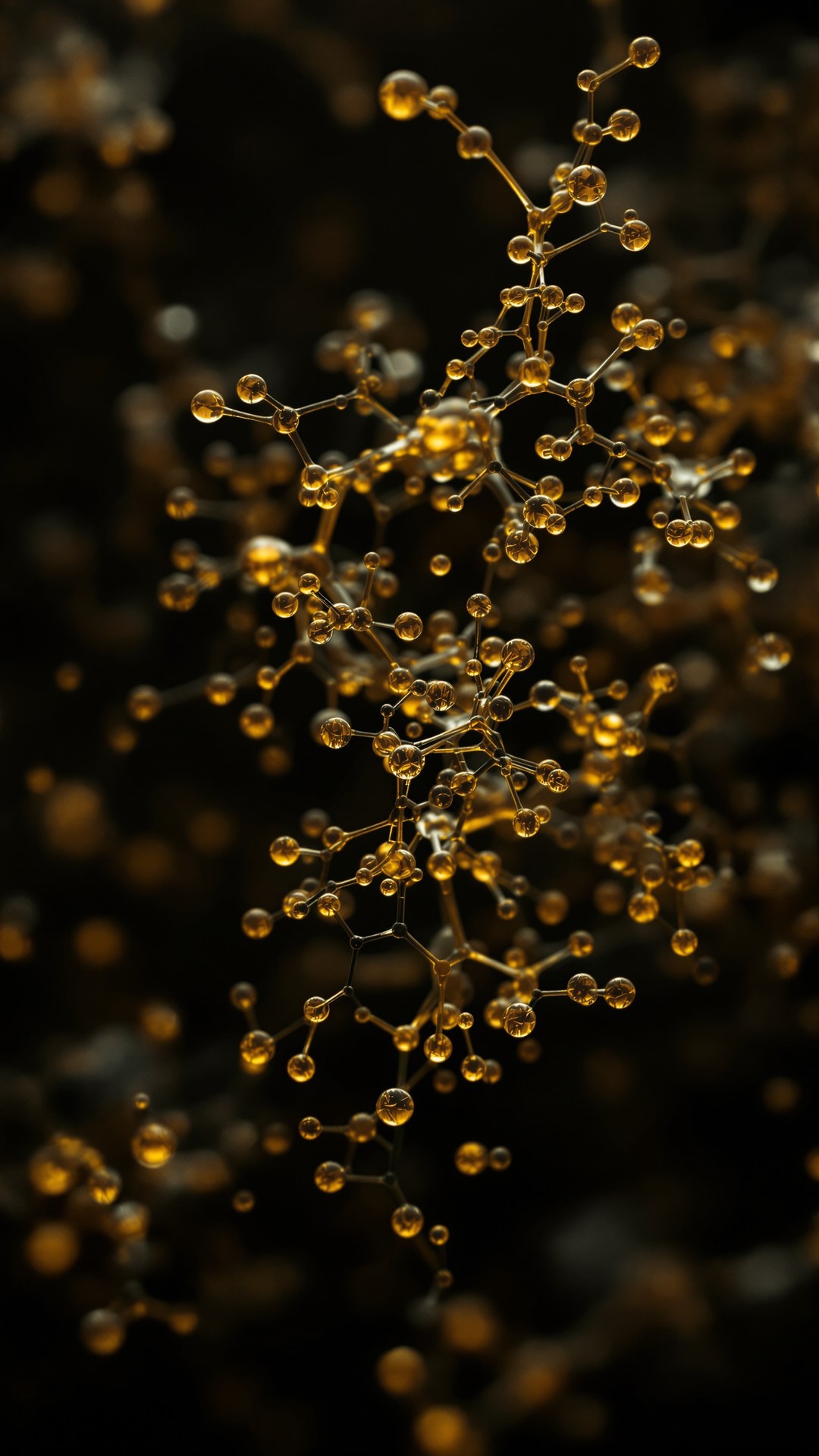
Save this image, post it to your Instagram story or feed, and tag @ootwchocolate. Link in bio.
Frequently Asked Questions
Hear the science, every day.
Every OOTW deep dive — each article narrated, and as a two-host conversation. Press play, or follow the show on your platform of choice.
▸ Follow the show →References
- Hasler F, Bourquin D, Brenneisen R, Vollenweider FX. Renal excretion profiles and plasma pharmacokinetics of psilocin following oral administration of psilocybin: a placebo-controlled study. Eur J Clin Pharmacol. 2002;58(4):259-268. doi:10.1007/s00228-002-0453-3
- Hofmann A, Heim R, Brack A, Kobel H. Psilocybin, ein psychotroper Wirkstoff aus dem mexikanischen Rauschpilz Psilocybe mexicana Heim. Experientia. 1958;14(3):107-109.
- Brown RT, Nicholas CR, Cozzi NV, et al. Pharmacokinetics of escalating doses of oral psilocybin in healthy adults. Clin Pharmacokinet. 2017;56(12):1543-1554. doi:10.1007/s40262-017-0540-6
- Preller KH, Burt JB, Ji JL, et al. Changes in global and thalamic brain connectivity in LSD-induced altered states of consciousness are attributable to the 5-HT2A receptor. eLife. 2018;7:e35082.
- Studerus E, Kometer M, Hasler F, Vollenweider FX. Acute, subacute and long-term subjective effects of psilocybin in healthy humans: a pooled analysis of experimental studies. J Psychopharmacol. 2011;25(11):1434-1452.
- Manevski N, Kurkela M, Höglund C, et al. Glucuronidation of psilocin and 4-hydroxyindole by the human UDP-glucuronosyltransferases. Drug Metab Dispos. 2010;38(3):386-395.
- Kim K, Che T, Panova O, et al. Structure of a hallucinogen-activated Gq-coupled receptor. Cell. 2020;182(6):1574-1588.
- Dinis-Oliveira RJ. Metabolism of psilocybin and psilocin: clinical and forensic toxicological relevance. Drug Metab Rev. 2017;49(1):84-91.
- Lipinski CA, Lombardo F, Dominy BW, Feeney PJ. Experimental and computational approaches to estimate solubility and permeability in drug discovery and development settings. Adv Drug Deliv Rev. 1997;23(1-3):3-25.
- Johnson MW, Garcia-Romeu A, Cosimano MP, Griffiths RR. Pilot study of the 5-HT2AR agonist psilocybin in the treatment of tobacco addiction. J Psychopharmacol. 2014;28(11):983-992.
- Carhart-Harris RL, Goodwin GM. The therapeutic potential of psychedelic drugs: past, present, and future. Neuropsychopharmacology. 2017;42(11):2105-2113.
- Wacker D, Wang S, McCorvy JD, et al. Crystal structure of an LSD-bound human serotonin receptor. Cell. 2017;168(3):377-389.
- Olson DE. Psychoplastogens: a promising class of plasticity-promoting neurotherapeutics. J Exp Neurosci. 2018;12:1179069518800508.
- Nichols DE. Psychedelics. Pharmacol Rev. 2016;68(2):264-355. doi:10.1124/pr.115.011478
- Griffiths RR, Johnson MW, Carducci MA, et al. Psilocybin produces substantial and sustained decreases in depression and anxiety in patients with life-threatening cancer. J Psychopharmacol. 2016;30(12):1181-1197.