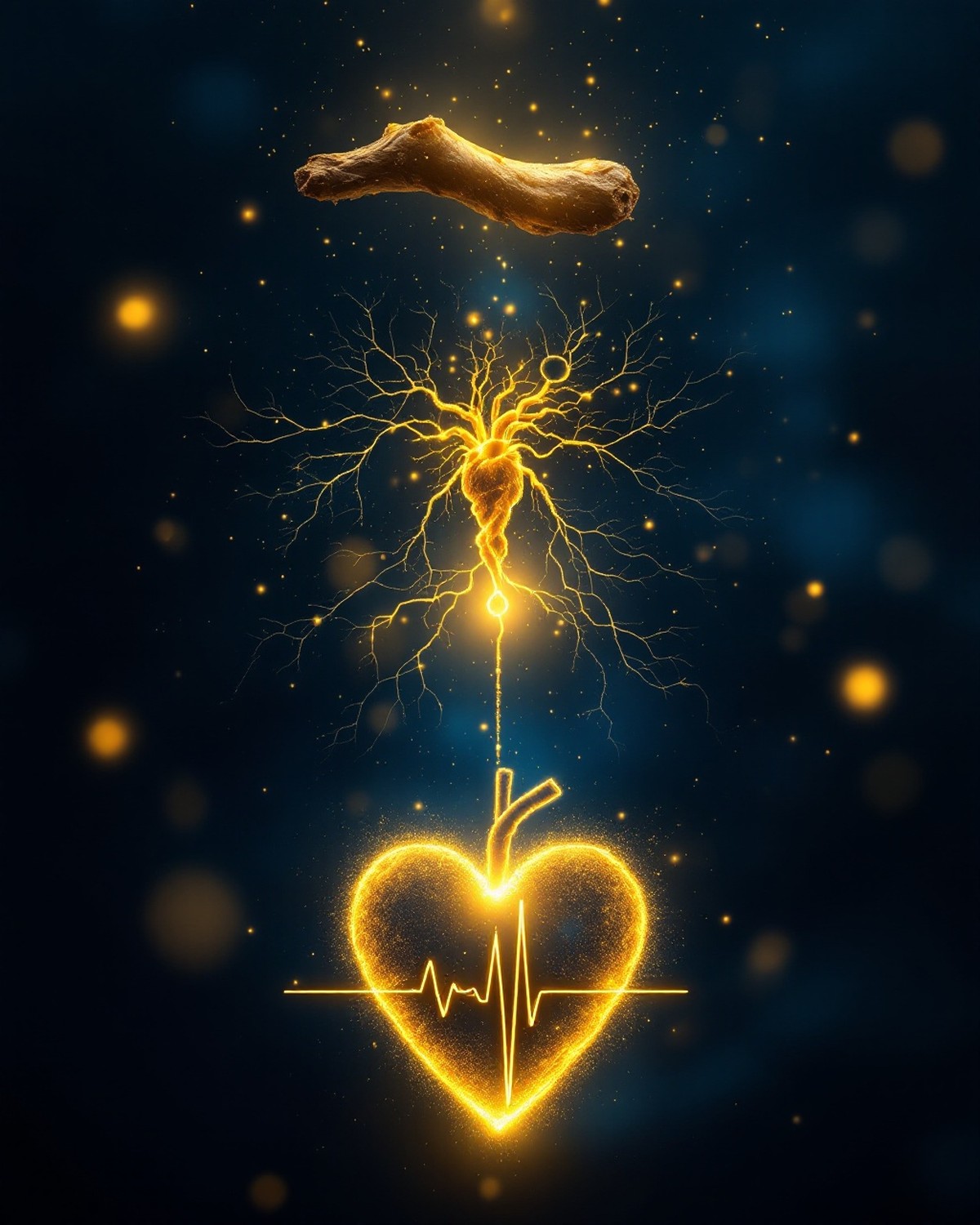
What does ibogaine do, and how? Ibogaine is a psychoactive alkaloid from the West African iboga root that can dramatically reduce or abolish opioid withdrawal and cravings after a single session — the famous “addiction interruption.” It is a multi-target molecule: it and its long-lived metabolite noribogaine act on NMDA, kappa- and mu-opioid, sigma-2, the α3β4 nicotinic receptor, and serotonin transport all at once. The anti-addiction effect is thought to involve blockade of the α3β4 nicotinic receptor and a surge of GDNF (a growth factor) in the brain’s reward circuitry, essentially helping to reset it, alongside a long visionary, dream-like state of psychological life-review. But ibogaine also blocks the heart’s hERG potassium channel, prolonging the QT interval and risking a fatal arrhythmia — which is why it is genuinely dangerous and why deaths have occurred.
Every so often a substance comes along that refuses to fit the categories. Ibogaine is one of them. It is not a classic psychedelic, not a sedative, not a stimulant, and not really like anything else in the medicine cabinet. What it is, is the only compound with a serious, decades-old reputation for doing something almost miraculous — taking a person in the grip of heroin or fentanyl addiction and, in a single overnight session, lifting them out of withdrawal and resetting their cravings to near zero. It is also, honestly, one of the few substances in this field that can kill you outright if used carelessly. Both of those things are true.
We’ve traced the rapid repair of ketamine and the fear-healing of MDMA. Ibogaine belongs in that conversation about the frontier of addiction and mental-health medicine — but it demands more caution than any of them. Here is how it works, where it comes from, what the new science shows, and why the risk is real. (Educational overview only — not medical or use advice.)
What ibogaine actually is
Ibogaine is the principal psychoactive alkaloid of Tabernanthe iboga, a shrub whose bitter root bark has been used for centuries in the Bwiti spiritual tradition of Gabon and neighbouring Central Africa — in small doses as a stimulant for hunting and endurance, and in large ceremonial doses as a rite of passage and a means of communing with ancestors (Wikipedia: Ibogaine). Pharmacologically it is best described as an oneirogen — a “dream-generator.” A full dose produces an unusually long experience: 24 to 36 hours, far longer than most psychedelics, dominated in its first phase by a vivid, dream-like panoramic life-review in which memories play back and are re-examined, followed by a long reflective introspective phase.
Its Western story begins in 1962, when a young American named Howard Lotsof, then dependent on heroin, took ibogaine expecting a psychedelic experience — and discovered when it wore off that his withdrawal and his craving for heroin had simply vanished. He spent the rest of his life championing ibogaine as an addiction treatment. That single, strange, reproducible observation — addiction interrupted by one dose — is what has kept ibogaine alive at the edges of medicine ever since.
The multi-target molecule
Most drugs are designed to hit one target cleanly. Ibogaine is the opposite — a “dirty drug” in the pharmacological sense, touching many systems at once, which is exactly what makes it so hard to study and so unusual in its effects. It is an NMDA-receptor antagonist (like ketamine); it interacts with kappa- and mu-opioid receptors; it binds sigma-2 receptors; it blocks the α3β4 nicotinic acetylcholine receptor; and it affects serotonin transport. Crucially, the liver rapidly converts ibogaine into noribogaine, a metabolite that lingers for days and has its own profile — a long, quiet tail that may explain why the anti-craving effect outlasts the acute experience (Koenig & Hilber, 2015).
Precisely-Dosed Psilocybin Mushroom TreatsOOTW Psilocybin Mushroom Treats
Precisely-dosed, lab-tested, quality psilocybin mushroom treats — crafted for daily ritual, neural support, and sustained clarity. Journal readers: 10% off your first order with code JOURNAL10 (applied automatically at checkout).
Claim 10% Off →The interruption: switching off withdrawal
The phenomenon that makes ibogaine famous is genuinely strange. Opioid withdrawal — the sweating, the cramps, the bone-deep sickness — normally has to be endured or medically managed over days. People who take ibogaine for detox consistently report that, as the acute experience subsides, their withdrawal symptoms are largely gone, and just as importantly, the craving that drives relapse is muted or absent, sometimes for weeks or months. It is not merely masking the discomfort the way a substitute opioid would; it appears to reset something in the addicted brain (Noller et al., 2018). That reset — a window of freedom from craving in which a person can begin real recovery — is the whole promise.
The mechanism: resetting the reward circuit
How one molecule does this is still being worked out, but two threads stand out. The first is GDNF — glial cell line-derived neurotrophic factor, a growth signal for neurons. In an influential set of studies, ibogaine was shown to increase GDNF in the ventral tegmental area, a core node of the brain’s dopamine reward circuit, and that GDNF surge fed back to reduce alcohol and drug self-administration in animals — a self-reinforcing loop that could underlie a lasting reset of reward signalling (He et al., J Neurosci 2005). The second thread is the α3β4 nicotinic receptor: ibogaine and related compounds block it, and this blockade tracks with reduced drug self-administration across many substances — opioids, stimulants, nicotine, alcohol — which fits ibogaine’s unusual broad-spectrum anti-addiction reputation (Glick & Maisonneuve, 1998). Layered on top is a probable neuroplasticity effect and the psychological work of the visionary state itself.
AI That Understands The MedicineOOTW Spirit Guide
Set. Setting. Dose. Integration. The questions you can’t bring to your doctor — answered by an AI grounded in every peer-reviewed paper, protocol, and ceremony manual. Private, sober, always there.
Talk to the Spirit Guide → A Sacred 5-MeO-DMT Ceremony · MiamiJoin the OOTW Sacrament
The oldest prayer, remembered — the gentle dissolving of the self into light, held in ceremony by a master facilitator. Sit with our community first: a free, live weekly circle on Zoom. No commitment, simply a conversation.
Join the Weekly Circle →The waking dream
Ibogaine is not just a receptor story; the experience is central to how people describe its healing. Unlike the outward-exploding character of a high-dose psychedelic, ibogaine turns inward and cinematic: users describe a panoramic replay of their own life — formative memories, traumas, and choices surfacing in vivid, emotionally charged sequences, often accompanied by a felt sense of confronting the roots of their addiction. Many report emerging with the addiction reframed as a chapter they can finally close. Whether this life-review is a cause of the healing or a companion to the neurochemical reset is unknown, but for those who go through it, the psychological reckoning feels inseparable from the medicine.
The evidence now
For decades ibogaine lived almost entirely on anecdote and observational data from unregulated clinics in Mexico, Costa Rica and elsewhere — promising but uncontrolled. That is changing fast. A landmark Stanford study, published in Nature Medicine in 2024, followed 30 special-operations military veterans with traumatic brain injury who received ibogaine together with intravenous magnesium (to protect the heart) at a clinic in Mexico; the researchers reported large, durable improvements — on the order of an ~88% reduction in PTSD symptoms and major drops in depression and anxiety a month later, with gains persisting at follow-up (Cherian et al., Nature Medicine 2024). And in 2025, the state of Texas committed $50 million to a large ibogaine clinical-trial program — the biggest government-funded ibogaine research effort in the world — with several other US states moving in the same direction (UTMB Health, 2025). After sixty years at the fringe, ibogaine is finally getting the rigorous trials it always needed.
Precisely-Dosed Psilocybin Mushroom TreatsBring the Science Home
Every article here is the why. OOTW’s precisely-dosed, lab-tested, quality psilocybin mushroom treats are the how — crafted to carry the medicine into your daily practice. Journal readers: 10% off your first order with code JOURNAL10 (applied automatically at checkout).
Claim 10% Off →The danger: the heart
Now the part that must never be a footnote. Ibogaine’s most serious risk is cardiac. It blocks the hERG potassium channel in heart muscle, which prolongs the QT interval — the electrical recovery phase of the heartbeat — and a dangerously long QT can tip into torsades de pointes, a chaotic arrhythmia that can be fatal (Koenig & Hilber, 2015). This is not theoretical: deaths have occurred, most in unregulated settings, often in people with undiagnosed heart conditions, electrolyte imbalances, or other drugs on board (Alper et al., 2012). This is exactly why the serious modern studies use rigorous cardiac screening, continuous heart monitoring, and intravenous magnesium to blunt the QT effect. The difference between ibogaine in a monitored trial and ibogaine taken in an unscreened clinic or at home is, quite literally, the difference between a calculated medical risk and a game of chance with your heart. (Educational context only — not medical or use advice.)
The honest bottom line
Ibogaine sits at one of the most extraordinary intersections in medicine: a folk sacrament from the Gabonese rainforest that may hold a genuinely novel key to the hardest problem in addiction — not managing dependence, but interrupting it. The neuroscience is real and tantalising: a multi-target reset of reward circuitry, a growth-factor surge, a broad-spectrum anti-craving effect, wrapped in a profound psychological life-review. And after decades of anecdote, real trials are finally underway. But it carries a lethal cardiac risk that separates it from every gentler medicine in this field, and it is not something to approach casually or alone. The right posture is the one the new science is taking: fascinated, hopeful, and deeply careful.
OOTW Journal is educational and does not provide medical advice.Ibogaine can cause dangerous, potentially fatal heart-rhythm disturbances (QT prolongation and torsades de pointes), and deaths have occurred, especially outside monitored medical settings. It is a controlled substance in the United States and many countries. Nothing here is a recommendation to seek or use it; the clinical results described come from screened, cardiac-monitored research settings. If you are struggling with addiction, please reach out to a qualified professional — effective, safe treatments for opioid use disorder exist today.